






4 June 2026
|Discrimination
Understanding the Burden of Proof in Discrimination Complaints
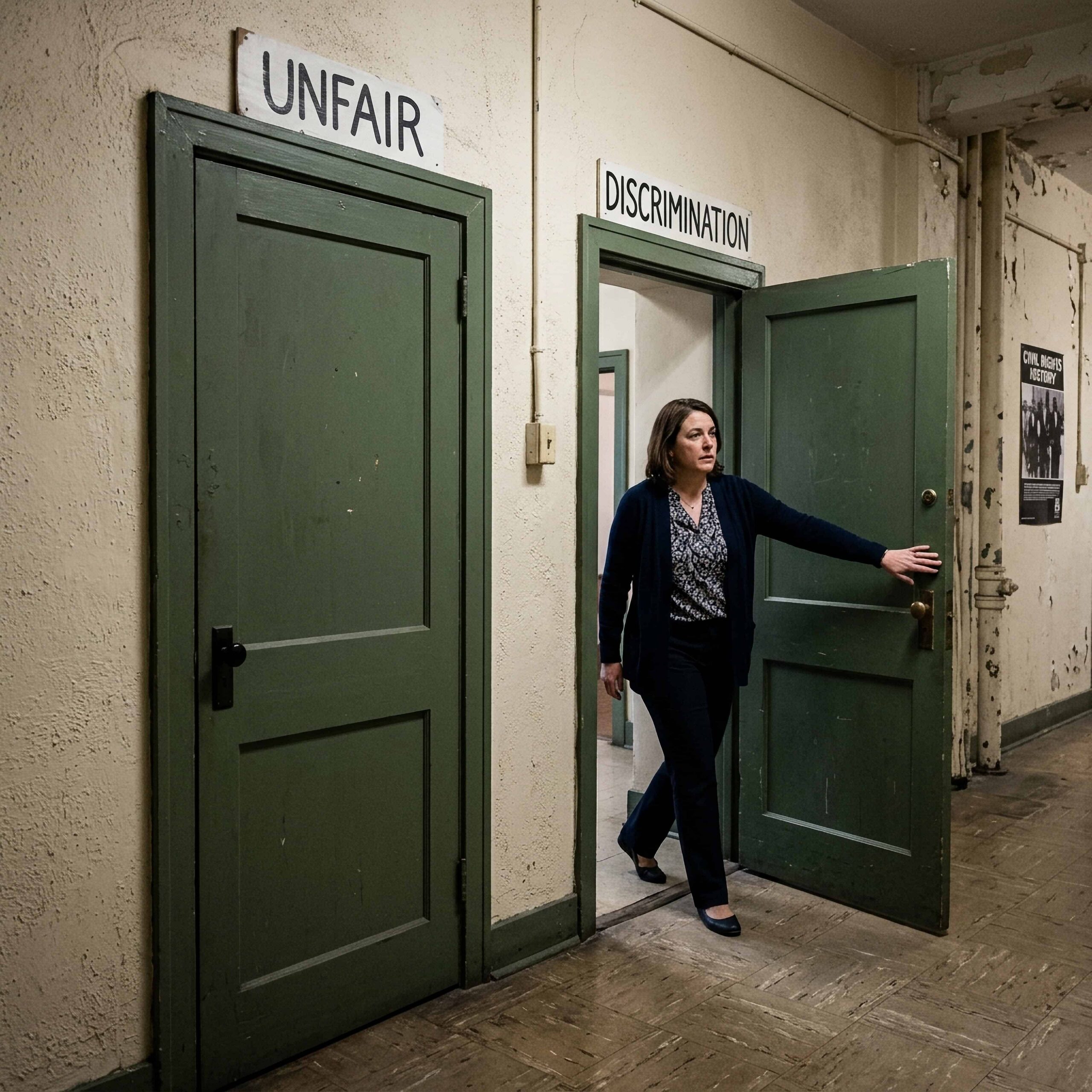
The recent Employment Appeal decision Clifton Diocese v Parker [2026] EAT 68 is an interesting reminder that unfair treatment at work does not always amount to unlawful discrimination.
The case involved Miss Parker, a non-Catholic accountant employed as head of finance by Clifton Diocese, a Catholic Diocese. While preparing for return from adoption leave, Miss Parker requested flexible working. Shortly afterwards, concerns were raised for the first time about Miss Parker’s conduct, including alleged financial misconduct. This led to a disciplinary investigation and ultimately, dismissal for alleged gross misconduct.
The Employment Tribunal found in Miss Parker’s favour, concluding that the dismissal had been unfair and wrongful, and that the disciplinary allegations had been contrived. The Tribunal also found that Miss Parker had experienced direct religion or belief discrimination based on her lack of Catholic faith in four respects during the disciplinary process including that the Diocese had added disciplinary allegations, rushed the investigation and disciplinary process, failed to consider Miss Parker’s ill-health, and mocked Miss Parker during the disciplinary hearing. The final point also amounted to harassment.
But did the Diocese’ conduct really amount to discrimination?
The EAT took a different view. It identified three errors in the Tribunal’s approach to burden of proof. Its main criticism was that the Tribunal had not properly explained why the treatment was connected to the employee not being Catholic. Below we outline the three errors identified by the EAT:
First, the Tribunal failed to properly link the treatment to religion or belief discrimination.
The Tribunal had relied heavily on the conduct of various managers and HR staff during the disciplinary process, including allegations that the employee had been mocked and that the process had been rushed. But the EAT said the Tribunal still needed to identify evidence linking that treatment to religion or belief discrimination specifically.
The Tribunal had suggested there may have been hostility linked to the Miss Parker’s lack of Catholic faith, including her comments about the Catholic Church’s treatment of vulnerable children. However, the EAT said there were no clear findings explaining how those issues influenced the relevant decision-maker or why they showed discrimination because of religion or belief.
Second, the Tribunal used the employer’s lack of explanation at the wrong stage of the test.
The EAT found that the Tribunal had approached the burden of proof incorrectly. In discrimination claims, there is a two-stage process. First, the employee must establish facts from which discrimination can properly be inferred. Only then does the burden shift to the employer to provide a non-discriminatory explanation.
The EAT found that the Tribunal had blurred these stages together by relying too heavily on the employer’s failure to provide a convincing explanation at the first stage of the analysis.
Third, the Tribunal contradicted itself about the explanation for Miss Parker’s treatment.
The Tribunal had already identified a clear non-discriminatory explanation for what had happened: hostility towards the Miss Parker’s flexible working request. Yet it still treated the conduct as effectively “unexplained” and used that lack of explanation to infer discrimination.
The EAT said those two positions could not sit together logically.
The correct question was not whether the employer’s explanation was especially convincing or coherent, it was whether there was a non-discriminatory explanation at all. Once the Tribunal identified one, it needed to properly analyse it rather than overlooking it.
Ultimately, while the dismissal was still found to be unfair, the discrimination complaints were remitted to the same Employment Tribunal for redetermination.
Why this matters
This decision provides useful clarity on the burden of proof in discrimination claims.
For employees, it shows that even where workplace treatment feels deeply unfair, there still needs to be evidence connecting that treatment to a protected characteristic.
For employers, the case is a reminder that poor processes, reactive management decisions, and badly handled disciplinaries can still create significant litigation risk, even if discrimination allegations are not ultimately made out.
A final point: the data download issue
One overlooked detail in the case ties directly into something we wrote about last month on employees downloading company data. Miss Parker reportedly downloaded an entire SharePoint file from the finance department because she believed it would help support her appeal. The Diocese later referred the matter to the police and she received a police caution!
This is a classic example of a mistake we see regularly in employment disputes. Employees often think they are “protecting themselves” by copying documents or forwarding information to personal accounts. But employers frequently treat this as misconduct, misuse of confidential information, or a data protection issue. If you haven’t read our blog about this yet, read it here: https://farorelaw.co.uk/insights/the-workplace-mistakes-employees-keep-making
Get advice from Farore Law
At Farore Law we have a great deal of experience in working in matters related to discrimination, whistleblowing, and misconduct. Please contact us for legal advice.
Written by:

Ariane Ordoobadi
Senior Paralegal